How General Dentists Support Lifelong Oral Health
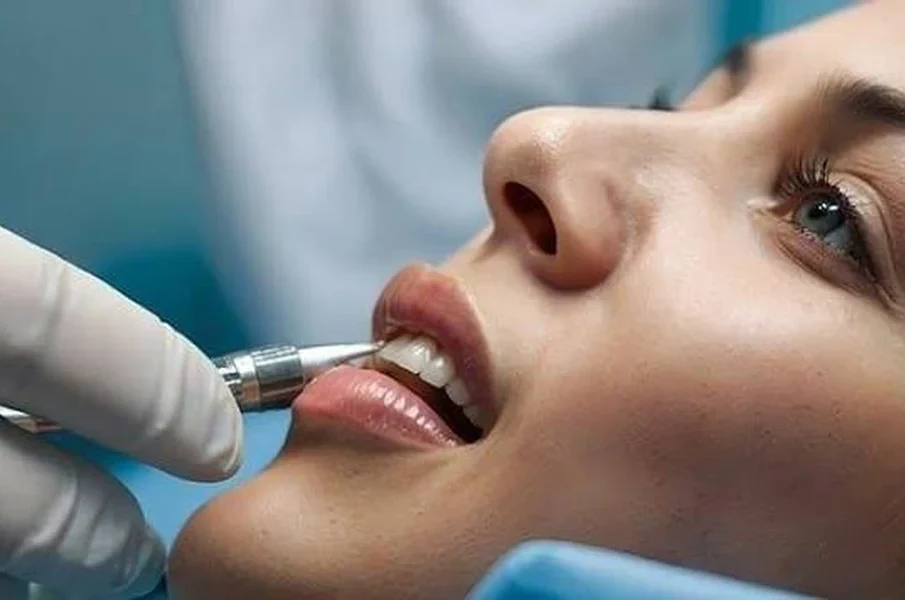
You brush, you floss when you remember, and you tell yourself you will book that dental visit soon. Then life gets loud. Work runs late, a filling that felt fine last year starts catching food, your gums bleed a little and you hope it is nothing. That cycle is common, and it is one reason oral health problems often build slowly until they are harder and more expensive to treat. If you are considering long-term tooth replacement options, Echo Ridge Dental implants in Green Bay may be part of the conversation.
How General Dentists Support Lifelong Oral Health comes down to something simple. They help you prevent small issues, catch hidden problems early, and keep your teeth, gums, and bite working well as your needs change with age. A general and implant dentist does not just fix pain when it shows up. They help protect your daily comfort, your confidence, and your long term health.
General dental care protects more than your teeth
Your mouth does not age in isolation. Stress can lead to clenching. Dry mouth from medication can raise your cavity risk. Gum inflammation can make eating uncomfortable, which affects nutrition. According to the CDC, there are clear oral health facts and statistics showing that cavities, gum disease, and tooth loss remain common in adults. These are not rare problems. They are everyday problems that often start quietly.
A general dentist tracks those changes over time. That matters because the same mouth at 25 often needs different care at 45, 65, or 80. Early on, the focus may be cavities, wisdom teeth, or wear from grinding. Later, it may shift to gum recession, cracked fillings, bite changes, missing teeth, or implant maintenance. The value is continuity. A dentist who sees patterns in your mouth can spot trouble before it turns into pain, infection, or a complex rebuild.
Routine dental care also helps with the things people tend to dismiss. Bad breath that does not improve. A sore spot that lingers. Teeth that feel more sensitive to cold. None of these should be waved away for months. They can point to decay, gum disease, enamel wear, or an issue with an old restoration.
Prevention costs less than delay
Most people do not avoid the dentist because they do not care. They avoid it because they are busy, uneasy, or worried about cost. Then a skipped cleaning turns into deeper buildup below the gums. A tiny cavity grows until it needs a crown. One missing tooth shifts pressure to the rest of your bite, and chewing gets harder on both sides.
This is where preventive dentistry earns its place. Cleanings remove plaque and tartar that home care cannot fully handle. Exams check for decay, gum problems, bite issues, and changes in soft tissue. X rays can reveal trouble between teeth or under old fillings before you feel anything at all.
The CDC offers practical oral health tips for adults that support this same idea. Daily brushing with fluoride toothpaste, flossing, limiting sugar, and keeping regular dental visits work together. Home care matters, but it does not replace professional care. It supports it.
General and implant dentists help when teeth are damaged or missing
Lifelong oral health is not just about prevention. It is also about recovery when things go wrong. Teeth crack. Fillings wear out. Gum disease can loosen support around a tooth. Sometimes a tooth cannot be saved, and that loss affects far more than appearance. You may chew on one side, avoid certain foods, or feel self conscious when you smile.
A general and implant dentist can guide you through those choices with a wider view of your mouth. If a tooth can be restored, treatment might involve a filling, crown, or root canal coordination. If a tooth is missing, options may include bridges, dentures, or implants. The right answer depends on bone support, gum health, neighboring teeth, and your long term goals, not just what fixes the problem fastest.
That broader planning matters with age. The National Institute on Aging explains that taking care of your teeth and mouth becomes even more important as dry mouth, arthritis, memory issues, and medical conditions affect daily routines. Dental care should adapt to your life, not expect your life to adapt perfectly to dental care.
Daily habits and professional dental care work best together
| Approach | What It Helps With | Limits to Know |
|---|---|---|
| Brushing twice a day with fluoride toothpaste | Reduces plaque, lowers cavity risk, freshens breath | Does not remove tartar or detect hidden decay |
| Flossing or cleaning between teeth | Helps prevent gum inflammation and decay between teeth | Technique matters, missed areas stay at risk |
| Regular professional cleanings | Removes hardened buildup, supports gum health | Needs to be paired with home care to last |
| Dental exams and X rays | Finds early cavities, failing dental work, bone loss, hidden infection | Problems can still progress if visits are delayed too long |
| Restorative care such as fillings, crowns, and implants | Repairs damage, restores chewing, protects function | Works best when underlying habits and gum health are addressed |
The strongest results come from consistency. Good habits at home lower risk every day. Dental visits catch what your mirror cannot show you. Restorative care keeps one damaged tooth from affecting the rest of your mouth.
Small steps now can change your long term oral health
Book the visit you have been putting off. If it has been longer than you planned, you are not alone. A baseline exam and cleaning give you real information instead of guesswork, and that usually lowers stress fast.
Pay attention to changes that keep repeating. Bleeding gums, sensitivity, bad breath, jaw soreness, and loose or broken dental work are not minor if they keep coming back. Write them down before your appointment so nothing gets missed.
Build a home routine you can actually keep. Brush twice a day with fluoride toothpaste, clean between your teeth once a day, and cut back on frequent sugary snacks or drinks. If dry mouth is an issue, mention it. If flossing is hard because of dexterity or dental work, ask for another tool that fits your hands and your mouth better.
Lifelong oral health is built one decision at a time
You do not need a perfect dental history to protect your future health. You need a plan that meets you where you are now. General dentists support lifelong oral health by helping you prevent disease, manage change, and repair damage before it spreads. That steady care is what keeps eating, speaking, smiling, and daily comfort from becoming harder than they need to be.
If your mouth has been asking for attention, this is a good time to act. Schedule a visit with a general and implant dentist and take the next step toward stronger, steadier oral health.

Leave a reply
-
How Vets Partner With Specialists For Complete Pet Care
You bring your pet to the general veterinarian because that is the ... -
-
-