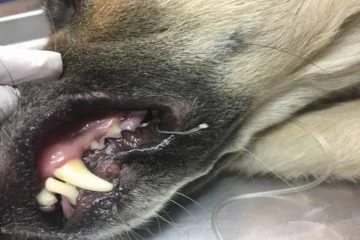
Why Pet Owners Should Not Pull An Embedded Fishhook Out At Home
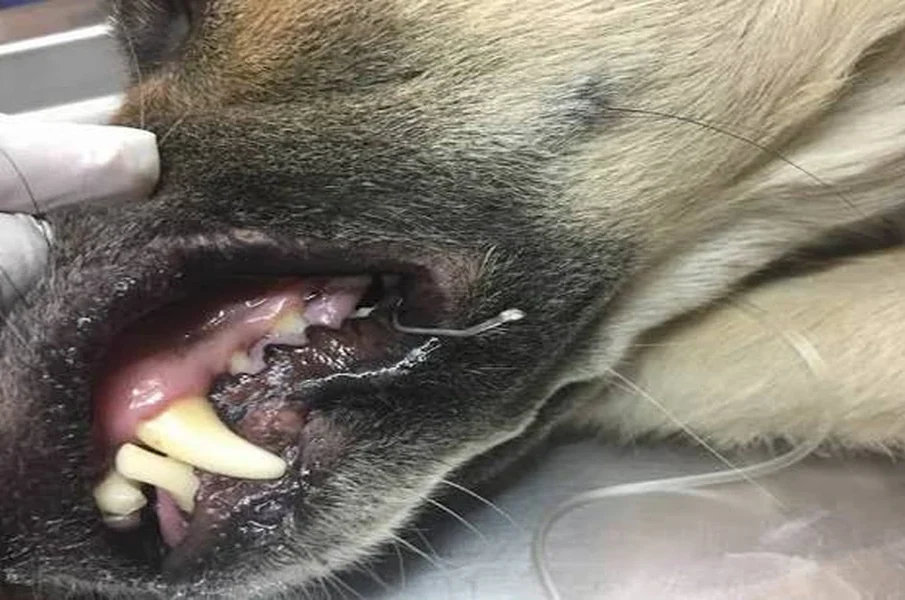
You saw the hook, your pet panicked, and your first instinct was probably to grab it and get it out fast. That reaction makes sense. A fishhook stuck in a paw, lip, tongue, or skin looks simple from the outside, but it usually is not. The part you can see is only half the problem, and one hard pull at home can turn a painful injury into a deeper tear, heavy bleeding, or damage to nerves, tendons, and soft tissue, which is why contacting an urgent care vet in Crestview right away is so important.
The safest takeaway is plain. If your dog or cat has a fishhook embedded in the body, do not yank it out in the kitchen, the garage, or the back seat. Keep your pet as calm and still as possible, control movement around the hook, and get prompt Animal Urgent Care. Home removal often causes more trauma because most fishhooks have barbs designed to catch and stay caught.
Embedded fishhooks cause more damage when they are pulled backward
A fishhook is made to resist coming out. That barb is the reason. When people try to remove a hook by pulling it back the way it went in, the barb catches fresh tissue on the way out and rips more than it releases. In a pet that is already scared and moving, the hook can shift, twist, or sink deeper in seconds.
This gets worse when the hook is near the face. A hook in the lip can look manageable until your dog jerks away and the point drives toward the gum line. A hook near the eye is an emergency. A hook in the paw may seem less serious, but paws carry a lot of bacteria, bear weight all day, and are easy to re-injure if the removal is rough or incomplete.
Human first aid guidance also reflects the risk of trying to remove certain embedded hooks without proper care. MedlinePlus guidance on fishhook removal explains that deeper injuries and hooks in sensitive areas need medical attention rather than home treatment. The same caution matters even more with pets, because they cannot stay still on command when they are in pain.
Pets rarely stay still enough for safe fishhook removal at home
You may think, “I can hold my dog still for a second.” Maybe. Maybe not once the pain spikes. Even gentle pets can bite, claw, or thrash when someone touches an embedded hook. That does not mean your pet is aggressive. It means your pet is hurt and afraid.
That split second matters. If the hook is attached to fishing line, a leash, a lure, or another treble hook, every movement can create a new puncture. A cat can twist and catch a second hook in the cheek. A dog can paw at the lure and embed another point in the pad. One injury becomes three before you have time to react.
Professional removal is not just about technique. It is about restraint, pain control, wound cleaning, and checking for hidden damage. An urgent care team can clip extra hooks, reduce movement, remove the hook with the right method, and examine whether your pet needs sedation, antibiotics, bandaging, or follow-up care.
DIY fishhook removal in pets can lead to infection, bleeding, and missed injuries
Even if you manage to get the hook out, that does not mean the problem is over. Fishhooks are dirty. They pass through bait, lake water, river water, mud, tackle boxes, boat floors, and hands. The wound may look small, but punctures trap bacteria deep under the skin. Public health materials on fishing injuries also warn that puncture wounds can become infected if they are not cleaned and treated properly, as noted in this CDC fishing safety document.
There is also the risk of a retained fragment. If part of the hook breaks, or if the barb causes internal tearing, your pet may keep licking, limping, swelling, or crying long after the hook seems gone. Hooks in the mouth can hide punctures under the tongue or in the back of the throat. Hooks in the paw can involve joint spaces or tendon areas that are not obvious at home.
This is why do not remove a fishhook from your pet at home is more than a cautionary phrase. It is practical advice meant to prevent a bad injury from getting worse.
Professional fishhook removal protects your pet from avoidable trauma
| At-Home Removal | Professional Urgent Care Removal |
|---|---|
| Higher chance of tearing tissue when the barb is pulled backward | Removal method chosen based on hook type, depth, and body area |
| Pet may panic, bite, twist, or drive hook deeper | Safer restraint and pain control when needed |
| Limited ability to inspect mouth, paw pads, eyelids, or deeper tissue | Full wound exam for hidden punctures, bleeding, and retained fragments |
| Home cleaning may miss contamination | Proper wound cleaning, bandaging, and infection planning |
| Easy to overlook when follow-up care is needed | Clear discharge instructions and monitoring advice |
The difference is not just convenience. It is tissue preservation, pain management, and lowering the odds of a complication that costs more to treat later. A simple urgent care visit is often far easier than dealing with an infected paw, an abscess, or surgical repair after a failed pull.
What to do right away when your pet has a fishhook injury
1. Stop the movement around the hook. Do not pull, twist, or cut blindly. If a lure has multiple hooks, keep it from swinging. If you can safely trim fishing line to reduce tangling, do that without disturbing the embedded hook. Keep your pet from pawing at the area.
2. Protect yourself and keep your pet calm. Pain changes behavior fast. Use a towel wrap for a cat if needed, or have one person steady the body while another clears the path to care. Do not muzzle a vomiting dog or a pet with a hook near the face unless a veterinary team tells you to. Calm handling lowers the chance of a sudden jerk.
3. Go for prompt pet fishhook removal through urgent veterinary care. Face, eye, mouth, throat, chest, belly, and deep paw injuries need immediate attention. Bring the lure or remaining tackle if it is attached. The hook type helps guide removal.
Fast care is the safest next step
You do not need to solve this at home, and trying to force a quick fix can leave your pet in more pain than before. Fishhook removal for pets is safest when the hook, the wound, and your pet’s stress level are managed together. Get your pet to Animal Urgent Care as soon as you can, keep the hook stable on the way, and let trained hands handle the part that should never be improvised.

-
Why Pet Owners Should Not Pull An Embedded Fishhook Out At Home
You saw the hook, your pet panicked, and your first instinct was ... -
-
-