The Role Of General Veterinarians In Community Outreach
You probably think of a general veterinarian as the person you call when your dog is limping, your cat stops eating, or your new puppy needs vaccines. That is true, but it is only part of the job. In many communities, the general veterinarian is also a public educator, a steady source of calm during health scares, and a link between animal care and human well being. When pet owners are overwhelmed by costs, mixed advice online, and fear about disease risks, that local veterinary voice matters more than most people realize. Surprise veterinarian.
The short version is simple. The Role Of General Veterinarians In Community Outreach reaches far beyond the exam room. General vets help prevent disease, teach safe animal handling, support shelters and schools, and strengthen trust between families and the wider health system. That work protects pets, livestock, wildlife, and people at the same time.
General veterinarians strengthen community health in everyday settings
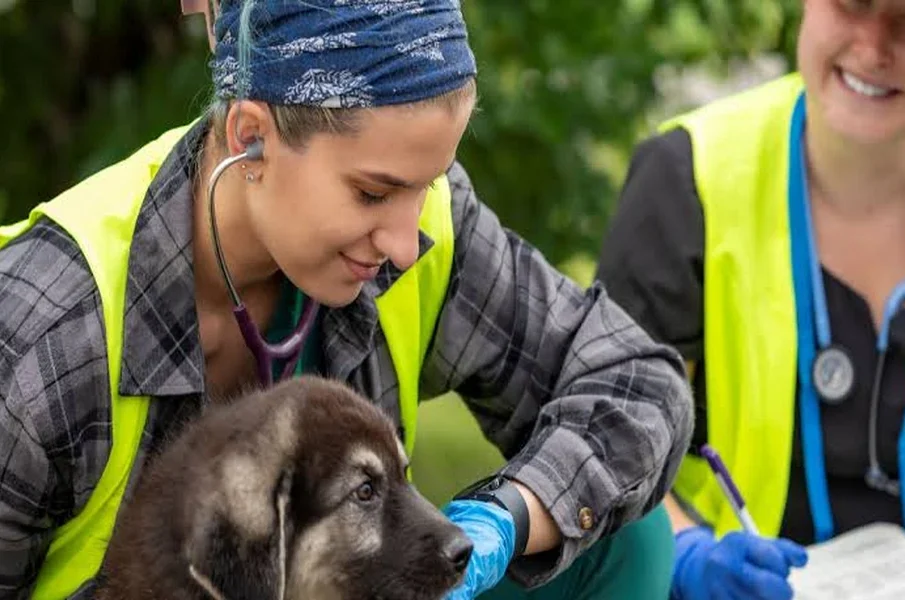
Most outreach does not look dramatic. It often happens at vaccine clinics, school visits, adoption events, county fairs, food bank pet support programs, and conversations with worried owners who are trying to do the right thing. A general veterinarian can explain why parasite prevention matters, what signs of illness need urgent care, and how to reduce the spread of infections that move between animals and humans.
That last part is easy to overlook until it lands close to home. A child gets scratched by a stray kitten. A family finds bats in the attic. A backyard flock starts showing signs of illness. In these moments, people need clear advice, not panic. The connection between animal, human, and environmental health is well recognized in the CDC’s One Health approach, and general veterinarians often bring that idea to life at the local level.
This is where community outreach by veterinarians becomes practical, not abstract. It gives people guidance before a small concern grows into a larger health problem. It also helps families who may not seek care early because they are worried about cost, transport, or not knowing where to start.
Community outreach by veterinarians fills gaps that pet owners feel every day
You can see the gap in ordinary situations. A pet owner skips preventive care because the animal seems fine. A rescue takes in more animals than it can comfortably support. A rural family depends on working animals or small livestock and cannot afford a disease outbreak. A school wants children to learn safe behavior around animals but does not know who to ask. General veterinarians often step into these spaces because they understand both medicine and the daily reality of the people they serve.
Without outreach, misinformation spreads fast. People try home remedies they saw online. They delay treatment for contagious disease. They misunderstand vaccine schedules or assume indoor pets have no risk. The cost of that confusion can be high. Illness becomes harder to treat, shelters face more strain, and public health agencies end up responding to problems that could have been reduced earlier.
Outreach also builds trust. When a veterinarian shows up at a local event, answers questions in plain language, or partners with schools and shelters, people stop seeing veterinary care as something distant or only for emergencies. They start seeing it as part of community health. That trust matters during outbreaks, natural disasters, and times when families are forced to make hard choices about care.
Many universities and public programs support this work through education and service partnerships. The University of Florida’s extension and outreach programs are one example of how veterinary knowledge can be shared beyond clinics and into the community.
Veterinary outreach supports disease prevention, education, and local response
A general veterinarian in outreach can help with vaccination campaigns, bite prevention education, responsible pet ownership, nutrition guidance, and early recognition of reportable diseases. That support becomes even more valuable in agricultural areas, where animal health has direct effects on food systems and local economies. Federal resources from USDA APHIS Veterinary Services show how animal disease monitoring and response depend on strong local veterinary participation.
This is also where the general veterinarian role becomes deeply practical. A vet may notice patterns before anyone else does. More dogs are coming in with tick borne illness. Several backyard poultry owners report similar symptoms. A rescue sees rising respiratory disease. Outreach creates a path for those observations to turn into education and action instead of quiet repetition.
Direct care and outreach work best when they support each other
| Clinic Only Approach | Clinic Plus Outreach Approach | Likely Community Effect |
|---|---|---|
| Care starts after a pet is already sick | Prevention education reaches owners earlier | Fewer avoidable illnesses and lower treatment costs |
| Limited contact with schools, shelters, and local groups | Regular partnerships with community organizations | Better awareness and stronger referral networks |
| Misinformation is corrected one case at a time | Public guidance is shared before problems spread | Safer animal handling and faster response to concerns |
| Public health links may be missed by the general public | Animal and human health connections are explained clearly | More support for vaccination, parasite control, and reporting |
The difference is not just visibility. It is prevention. It is reduced stress for owners. It is fewer emergencies that begin with confusion and delay. general veterinarian services become more useful when people understand how and when to use them.
Three steps that improve veterinary outreach right away
Build local partnerships. Schools, shelters, food pantries, senior centers, and farm groups already know where the needs are. A general practice that offers short talks, handouts, or low cost clinic days can reach people who would never walk in on their own.
Focus on plain language education. Owners do not need jargon. They need clear answers about vaccines, parasites, bites, spay and neuter care, nutrition, and when symptoms mean urgent help is needed. Simple guidance lowers fear and improves follow through.
Track recurring community concerns. If the same questions keep coming up, that is useful information. It may point to a local disease trend, a care access issue, or a misunderstanding that outreach can fix before more animals get sick.
The role of general veterinarians in community outreach deserves more attention
People rely on local veterinarians for medical care, but many also rely on them for reassurance, direction, and honest guidance when animal health affects daily life. That is why veterinary community outreach matters. It helps people act sooner, care better, and feel less alone when something goes wrong.
If you are part of a clinic, shelter, school, or local group, now is a good time to strengthen those connections and make outreach part of routine care. Small efforts done consistently can protect a lot of families and animals.

Leave a reply
-
Pythiosis In Dogs: Planning Treatment For An Infection That Can Be Difficult To Control
You may have gone in expecting a skin problem, a stomach issue, ... -
-
-