Mistakes to Avoid When You Buy Fruit Trees for a Small Urban Plot, from a Nursery Specialist
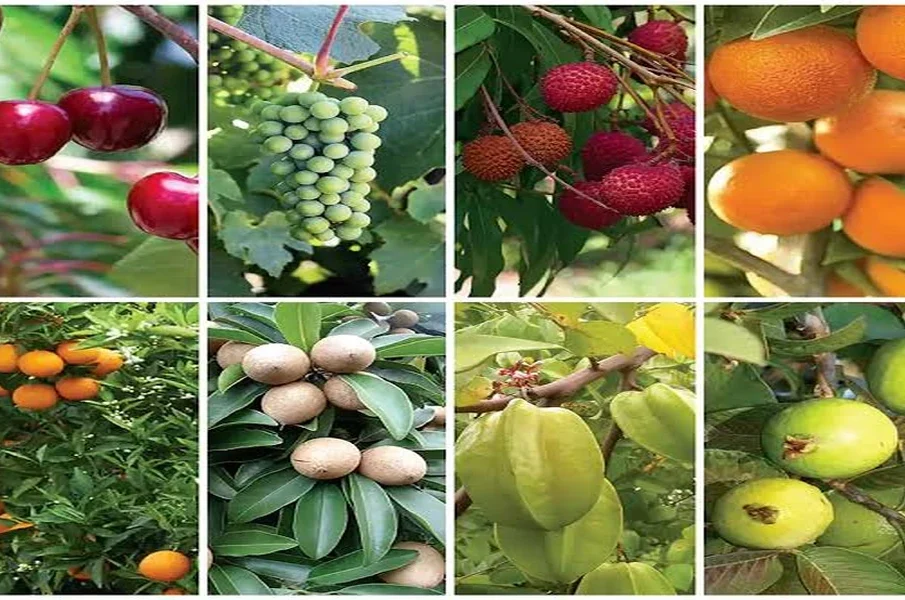
Small urban plots can grow excellent fruit trees, but they leave little room for careless choices. A tree that is slightly too vigorous, badly placed, or awkward to reach can dominate the space quickly. The best results come from treating size, access, light, and crop use as practical limits rather than afterthoughts.
Avoiding mistakes does not mean choosing timidly. It means choosing with precision. Urban gardens often contain warm walls, sheltered corners, patios, narrow beds, and overlooked boundaries that can be used well. The tree needs to match those opportunities without making the plot feel crowded or difficult to manage.
For tight urban gardens, the fruit tree specialists at Fruit-Trees advise choosing from the mature shape backwards. A young tree can look harmless in a small bed, but pruning access, light, root competition, and picking space become more important as it settles. Gardeners should also ask how the crop will be reached without stepping through other planting. That practical view prevents a small plot from becoming crowded before the tree has produced its best harvests.
The small plot rewards honest planning. Every metre has a job, so the tree should improve the garden’s usefulness rather than quietly taking away movement, light, or flexibility.
That steadier frame also keeps the article practical. The tree is judged by the place it will occupy, the care it will receive, and the crop or seasonal value it can realistically provide. A measured choice is easier to plant well and easier to keep supporting after the first enthusiasm has passed. It also gives the gardener a clearer reason for each small decision that follows next. That kind of clarity is especially useful when weather, space, and household routines begin to test the original plan. It keeps the focus on steady establishment, practical access, and a result the gardener can still support after several seasons. That is where a careful choice proves its worth in ordinary garden life through changing seasons ahead. It also helps the final planting feel intentional rather than merely convenient later.
Do Not Choose Only by Fruit Preference
Fruit preference matters, but it should not lead the whole decision. A favourite apple, pear, plum, or cherry may still be wrong if the form and vigour do not suit the plot. For urban gardeners working with small plots, this makes the decision more practical because the gardener needs to match desire to space. This keeps the tree useful rather than merely appealing.
The common risk is falling for the crop before checking the site. The result can be a tree that is loved in theory but awkward in practice. A better reading of do not choose only by fruit preference keeps the tree connected to a compact urban plot with boundaries, shade, access limits, and competing uses, rather than to a quick preference that looks good only while the tree is young.
Gardeners can make this check useful by starting with size, light, and access. Fruit preference can then guide the shortlist within realistic boundaries. That gives the final choice a stronger reason to belong in the garden and reduces the chance of correction later.
In British gardens, urban gardens often have uneven light because of walls and neighbouring buildings. A tree that fits the site will usually be more rewarding than a favourite variety in the wrong place. The tree then has a route into ordinary care, which is usually more valuable than choosing the most dramatic option on paper.
Over time, do not choose only by fruit preference also shapes a compact tree that remains reachable, healthy, and useful. fruit choice becomes stronger when it is grounded in the plot. When the gardener can explain why the tree belongs in that exact place, the planting becomes easier to defend, easier to maintain, and easier to enjoy through busy seasons, close boundaries, and repeated small-care tasks.
Avoid Vigour That Outgrows the Garden
Vigour is one of the biggest urban fruit tree issues. A tree can outgrow a small plot before the gardener realises the problem is structural. For urban gardeners working with small plots, this makes the decision more practical because rootstock and form should be chosen with the mature tree in mind. This is more useful than reacting with heavy pruning later.
The common risk is assuming pruning can solve every size mistake. Repeated hard cuts can create a cycle of strong regrowth and frustration. A better reading of avoid vigour that outgrows the garden keeps the tree connected to a compact urban plot with boundaries, shade, access limits, and competing uses, rather than to a quick preference that looks good only while the tree is young.
Gardeners can make this check useful by choosing a form that suits the space from the start. Dwarf forms, cordons, fans, espaliers, and patio trees all have different strengths. That gives the final choice a stronger reason to belong in the garden and reduces the chance of correction later.
In British gardens, warm urban microclimates can encourage growth. The gardener should leave room for both the tree and the work needed to manage it. The tree then has a route into ordinary care, which is usually more valuable than choosing the most dramatic option on paper.
Over time, avoid vigour that outgrows the garden also shapes a compact tree that remains reachable, healthy, and useful. vigour becomes a design decision, not just a label. When the gardener can explain why the tree belongs in that exact place, the planting becomes easier to defend, easier to maintain, and easier to enjoy through busy seasons, close boundaries, and repeated small-care tasks.
Do Not Ignore Access for Care
Access can disappear quickly in a small plot. A tree placed behind containers, furniture, or dense planting may be hard to water, prune, or harvest. For urban gardeners working with small plots, this makes the decision more practical because the tree should be reachable from the start. A compact garden still needs working room.
The common risk is using every visible gap for planting. That can make the tree difficult to look after in ordinary weeks. A better reading of do not ignore access for care keeps the tree connected to a compact urban plot with boundaries, shade, access limits, and competing uses, rather than to a quick preference that looks good only while the tree is young.
Gardeners can make this check useful by planning a clear route to the stem and framework. Even a narrow access point can make watering and pruning more consistent. That gives the final choice a stronger reason to belong in the garden and reduces the chance of correction later.
In British gardens, urban gardens often combine storage, seating, and plants in one space. The fruit tree should work with those uses rather than compete with them. The tree then has a route into ordinary care, which is usually more valuable than choosing the most dramatic option on paper.
Over time, do not ignore access for care also shapes a compact tree that remains reachable, healthy, and useful. access becomes part of long-term care. When the gardener can explain why the tree belongs in that exact place, the planting becomes easier to defend, easier to maintain, and easier to enjoy through busy seasons, close boundaries, and repeated small-care tasks.
Watch How Boundaries Affect Light
Urban boundaries can be helpful or limiting. A warm wall may support trained fruit, while a tall fence or neighbouring building can cast shade for much of the day. For urban gardeners working with small plots, this makes the decision more practical because light should be checked where the tree will actually grow. This is especially important for fruit ripening and healthy growth.
The common risk is assuming a sheltered position is automatically suitable. Shelter without enough light can reduce both vigour and crop quality. A better reading of watch how boundaries affect light keeps the tree connected to a compact urban plot with boundaries, shade, access limits, and competing uses, rather than to a quick preference that looks good only while the tree is young.
Gardeners can make this check useful by observing the site at different times. Morning light, afternoon warmth, and seasonal shade all matter. That gives the final choice a stronger reason to belong in the garden and reduces the chance of correction later.
In British gardens, the sun angle changes noticeably through the year. A tree placed for real light is easier to keep healthy. The tree then has a route into ordinary care, which is usually more valuable than choosing the most dramatic option on paper.
Over time, watch how boundaries affect light also shapes a compact tree that remains reachable, healthy, and useful. boundaries become assets only when their effects are understood. When the gardener can explain why the tree belongs in that exact place, the planting becomes easier to defend, easier to maintain, and easier to enjoy through busy seasons, close boundaries, and repeated small-care tasks.
Keep the Crop Useful and Manageable
A small garden crop should feel enjoyable, not overwhelming. The household should know whether the fruit will be eaten fresh, cooked, stored, or shared. For urban gardeners working with small plots, this makes the decision more practical because crop use should influence the final choice. This keeps the tree connected to daily life.
The common risk is choosing a tree for the promise of abundance alone. A large harvest in a small plot can become wasteful if it ripens all at once or is hard to pick. A better reading of keep the crop useful and manageable keeps the tree connected to a compact urban plot with boundaries, shade, access limits, and competing uses, rather than to a quick preference that looks good only while the tree is young.
Gardeners can make this check useful by matching crop quantity and timing to household habits. A modest, well-used harvest often gives more satisfaction than an excessive one. That gives the final choice a stronger reason to belong in the garden and reduces the chance of correction later. A sensible time to buy fruit trees is after the gardener has tested the choice against light, soil, space, and the care routine that will still exist after planting day.
In British gardens, urban gardens may also attract wildlife pressure. Prompt picking and reachable branches help protect the crop. The tree then has a route into ordinary care, which is usually more valuable than choosing the most dramatic option on paper.
Over time, keep the crop useful and manageable also shapes a compact tree that remains reachable, healthy, and useful. harvest becomes a practical reward rather than another job. When the gardener can explain why the tree belongs in that exact place, the planting becomes easier to defend, easier to maintain, and easier to enjoy through busy seasons, close boundaries, and repeated small-care tasks.
Leave Space for the Garden to Breathe
Small gardens need breathing room as much as planting. A fruit tree should add structure without making the plot feel tense or overfilled. For urban gardeners working with small plots, this makes the decision more practical because the gardener should consider views, movement, seating, and neighbouring plants. A balanced tree can make the space feel larger because it has a clear role.
The common risk is planting too many good ideas together. The plot then loses light, access, and calm. A better reading of leave space for the garden to breathe keeps the tree connected to a compact urban plot with boundaries, shade, access limits, and competing uses, rather than to a quick preference that looks good only while the tree is young.
Gardeners can make this check useful by choosing one strong fruit tree role rather than several competing ones. A trained tree on a wall, a patio tree near seating, or a compact bush in a border can each work if given room. That gives the final choice a stronger reason to belong in the garden and reduces the chance of correction later.
In British gardens, seasonal growth can make a small space feel fuller than expected. Regular pruning is easier when the original choice is proportionate. The tree then has a route into ordinary care, which is usually more valuable than choosing the most dramatic option on paper.
Over time, leave space for the garden to breathe also shapes a compact tree that remains reachable, healthy, and useful. the garden remains usable as well as productive. When the gardener can explain why the tree belongs in that exact place, the planting becomes easier to defend, easier to maintain, and easier to enjoy through busy seasons, close boundaries, and repeated small-care tasks.

Leave a reply
-
What to Look for in Helper Insurance Policies?
Key Highlights High medical expense limits are crucial for protecting the employer ... -
-
-