What are the risks of spinal decompression surgery
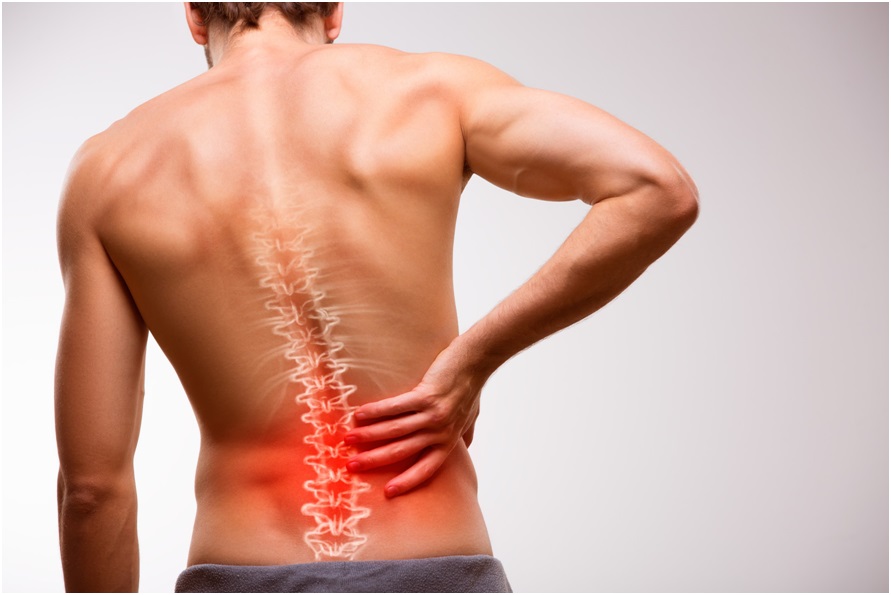
Spinal decompression surgery is a surgical option that is provided by your doctor if you are suffering from any of the following conditions, just to name a few:
- Slipped disc or herniated disc -> the inner portion of the disc herniates out due to a rupture of the outer portion of the disc compressing on a nerve.
- Spinal stenosis -> Some parts of the spinal column starts to narrow, thus putting pressure on the nerves that are held within.
- Cancer metastatic spread -> Some cancers have a high tendency to spread towards the bone such as breast cancer, prostate cancer, lung cancer, and thyroid cancer. This metastasis presses the nerves causing symptoms.
- Spinal injuries -> Such as when there was a fall or any trauma that caused a fracture of the spinal column thus pressuring the nerves within.
These conditions listed above would firstly be approached by non-surgical methods advised by your doctor. These could include physiotherapy referrals, heat pad applications, pain management, acupuncture, and chiropractic methods. After 3-6 months of trial, spinal decompression surgery would become a choice of treatment.
Spinal decompression surgery is not one specific type of surgery but generally, it is to decompress the spinal nerves. Hence, depending on the problem a combination of procedures is done during the surgery. Discectomy, spinal fusion, and laminectomy are just some of the procedures done as they tackle the problem which could be the disc or surrounding bones. These are all done under general anaesthesia which means that the patient will not be conscious during the surgery.
Now the next question would be the spinal decompression surgery recovery time. Generally, 1-4 days of hospitalization is needed for this surgery. However, it depends on the actual procedure that is done and its complexity. Patients are also reminded to not do any strenuous activities such as lifting heavy objects or driving long hours. Thus, this could delay their return to work.
With every surgery comes their own risk and this is no exception. General complications for surgeries would include infections and blood clot formations. Steps to prevent infections have been done by administering antibiotics pre-operation and also post-operation. Also, blood clot formations are a risk to every surgery but more so in this particular surgery. Immobilization increases the risk of a blood clot formation. The worrying part is if it forms in the leg causing a deep vein thrombosis (DVT), or if the clot migrates into the veins of the lungs causing a pulmonary embolism. Therefore, it is recommended to have early mobilization after surgery. This can also help to prevent another immobilization risk which is bed sores.
There are also risks during surgery which include any dural tear or cerebral spinal fluid leakage, just to name a few. Dura mater is a layer that covers the tissue and could be torn accidentally as it is one of the outermost layers of the spine. It can be repaired during surgery and all will be well. However, if left alone, it would lead to the other risk which is cerebral spinal fluid leakage. The fluid can cause symptoms such as headaches that change with positions, or nausea and vomiting. Permanent nerve injury is also another one to be noted as nerves are involved in this surgery. Paralysis can happen although uncommon due to any injured nerve, vessels around the area, bleeding in the spinal column, or as mentioned above cerebral spinal fluid leakage. Lastly, death is a very rare risk if proper care is taken before, during, and after the surgery to prevent any clot formations or a severe allergic reaction to any anaesthetic drugs. Consult your doctor and try and clear any of your doubts before going for the surgery.

Leave a reply
-
The Role Of Veterinary Clinics In Chronic Disease Management
You notice the small changes first. Your cat drinks more water and ... -
-
-