Step-by-Step Installation of a Generator in Seattle
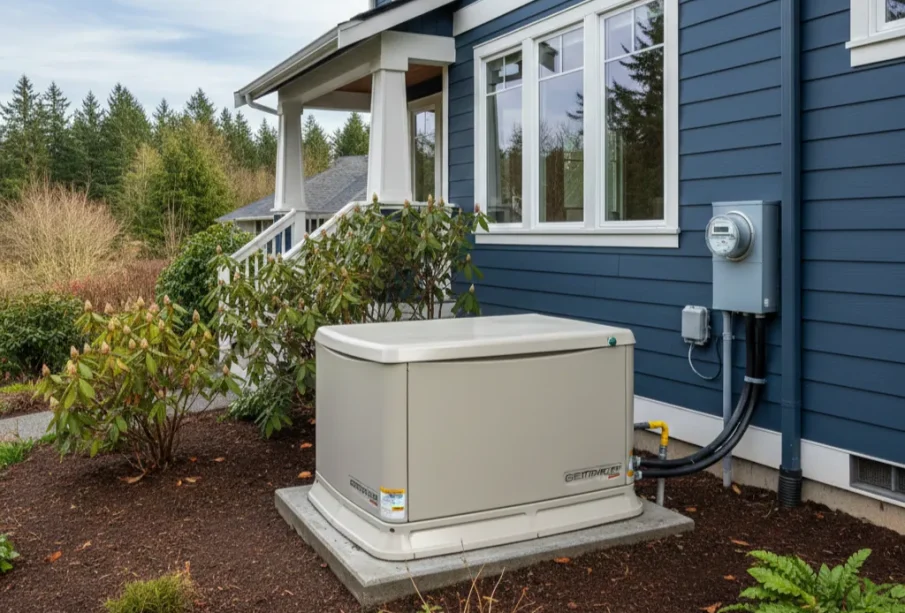
Power outages can interrupt daily routines without warning. A home generator helps keep important systems active during these events. Proper setup follows a clear sequence to ensure safe operation. This guide walks through the main stages. Let’s explore how the installation process typically works in Seattle.
Site Review and Load Check
The first step focuses on a property review in Seattle neighborhoods. Many homeowners ask about generator installation in Seattle when they begin backup power planning. Technicians evaluate electrical load to match the correct generator size. Accurate load data aids to reliable performance during outages.
Outdoor space also receives attention during this stage of the project. Installers look for safe placement away from windows, vents, and walkways. Ground conditions help determine the base setup and stability. This review forms the foundation for the entire installation plan.
Permit Process and Local Code
Permits are often required before any physical work can begin. Local rules in Seattle guide placement and connection details for safety. The following code helps with legal approval and proper system operation. Professionals usually handle paperwork to keep the process smooth.
Utility coordination may also take place during this phase. Inspectors review plans to confirm compliance with local requirements. Clear documentation helps avoid delays later in the timeline. Code alignment supports dependable system use once a power backup becomes necessary.
Paperwork Details to Expect
Permit applications outline the full project scope. Site diagrams show the planned equipment location. Load details support review by city officials. These steps prepare the project for installation approval.
Equipment Choice and Delivery
Generator size must match household power demands accurately. Fuel type also affects the final equipment choice and setup. Installers review model options based on collected load data. Proper selection may help improve long-term reliability and output.
Once approved, equipment delivery follows according to schedule. Protective covers keep units safe before final placement. Installers inspect for any visible shipping damage. This stage prepares for the next phase of physical setup.
Base Preparation and Unit Placement
A stable base helps support the generator’s weight over time. Concrete pads or composite bases are common support options. Level placement aids proper operation and mechanical balance. Secure mounting reduces movement during system use.
Installers position the unit for airflow and service access. Clearance space allows safe maintenance at a later date. Proper orientation also supports safe exhaust direction away from structures. This careful setup helps extend system life.
Electrical and Fuel Hookups
Licensed electricians connect the generator to the main electrical panel. Transfer switches manage power flow during outages or restoration. Correct wiring aids to safe and controlled power distribution. Fuel lines connect according to type and safety code.
Gas pressure and routing paths receive close inspection at this point. Secure fittings help prevent leaks or loose connections. These steps form the core of how the system operates. Accurate connections support steady performance when needed.
System Testing and Final Review
After setup, technicians complete a full system test. Simulated outage checks confirm response time and transfer function. Voltage and load performance receive careful review. Testing helps ensure a reliable startup under real conditions.
Inspectors may review the completed work for approval. Official sign-off confirms code compliance and safety standards. Homeowners receive basic guidance on system use and monitoring. This final stage completes the installation process.
A well-planned project follows a clear path from review to testing. Many residents look into generator installation in Seattle when preparing for future outages. Each stage, from permits to final checks, plays a key role in safe performance. Careful work and inspection help support dependable backup power for Seattle homes when grid service fails.

-
What Pet Owners Should Know About Quality Of Life Assessments
You may be watching your pet do small things differently and wondering ... -
-
-