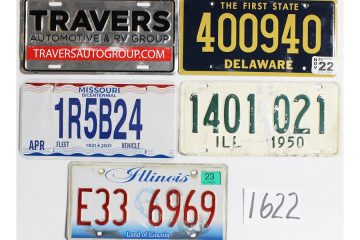
4 Things to Avoid When Displaying Plates

Displaying a vehicle’s license plate seems straightforward, yet it’s an area where small mistakes can create legal trouble, safety risks, or unnecessary attention. In the United States, license plate display is regulated at both state and local levels, and those rules intersect with practical concerns like visibility, theft prevention, and vehicle aesthetics. Many drivers also purchase specialty items, including decorative frames or even collectible license plates for sale, without realizing that how these items are used can matter as much as owning them. This article focuses on four common mistakes to avoid when displaying plates, with a practical emphasis on staying compliant, readable, and trouble-free.
A specialist at ShopLicensePlates notes that most display issues arise not from intentional misuse, but from drivers assuming that if an accessory fits, it must be legal. According to their guidance, choosing compliant mounting accessories such as license plate frames and installing them correctly is just as important as selecting a plate that matches your vehicle’s style. They emphasize that visibility and legibility should always take priority over appearance, especially when accessories are added.
Ignoring Visibility and Readability Standards
One of the most frequent problems with license plate display is reduced visibility. Every state requires plates to be clearly visible and readable from a specified distance, typically during daylight and under normal nighttime illumination. When plates are obscured, even partially, law enforcement officers may treat the situation as a violation, regardless of whether the obstruction was intentional.
Visibility issues often arise from tinted plate covers, decorative frames that block the state name, or novelty designs that distract from the alphanumeric characters. Even clear covers can become problematic over time. Scratches, clouding from sun exposure, or dirt accumulation can make a plate harder to read, especially at night when headlights reflect off the surface. Drivers sometimes assume that a clear cover is harmless, but in some states any cover that alters visibility is restricted or banned outright.
Another overlooked factor is lighting. Rear plates are usually required to be illuminated by a white light so they can be read at night. If the light is burned out or blocked by a poorly fitted frame, the plate may technically be present but legally unreadable. This can result in a traffic stop that could have been avoided with a simple inspection.
Placement also affects readability. Plates mounted at an angle, recessed too deeply, or partially hidden by bumper accessories can fall outside legal standards. Even custom vehicle modifications, such as lifted trucks or lowered sports cars, can unintentionally put plates at heights that are no longer compliant. The key point is that readability is judged from the perspective of other drivers and law enforcement, not from the owner’s viewpoint.
Using Unapproved Covers and Frames
Covers and frames are popular because they allow drivers to personalize their vehicles. However, they are also a common source of compliance problems. States vary widely in what they allow, but most share a core principle: nothing should obscure the essential information on the plate, including the issuing state, registration stickers, and plate number.
Unapproved covers include those with heavy tinting, mirrored finishes, or prismatic effects designed to interfere with cameras. While these products may be marketed as protective or privacy-enhancing, they can attract scrutiny and fines. Law enforcement agencies are particularly sensitive to covers that appear designed to evade toll cameras or license plate readers.
Frames can be equally problematic. Thick borders, oversized logos, or frames that clip over the plate edges may block registration stickers or state identifiers. Even a small obstruction can be considered a violation. Some drivers also stack multiple frames or combine frames with covers, compounding the issue.
Weather protection is another area where intention and outcome differ. Drivers may install covers to protect plates from rust or peeling, especially in regions with harsh winters or coastal salt exposure. While protection is a valid concern, the solution must still meet legal standards. Thin, non-obstructive options are generally safer than rigid or tinted covers.
Before installing any accessory, drivers should check state regulations and inspect the plate after installation. If any part of the plate is harder to read or partially hidden, the accessory may not be worth the risk.
Displaying Plates Improperly or in the Wrong Location
Proper placement of license plates is not optional. Most vehicles are required to display plates in designated locations, typically one on the rear and, in many states, one on the front. Ignoring these requirements can result in citations, even if the plate itself is valid and current.
Front plate requirements are a frequent point of confusion. Some drivers remove front plates for aesthetic reasons, assuming enforcement will be lax. Others relocate plates to side mounts or dashboard displays. In states that require front plates, these alternatives are generally not acceptable. A plate displayed inside the windshield or offset to one side often fails to meet visibility and mounting standards.
Rear plate placement can also go wrong. Plates mounted too low may be obscured by road grime or bumper components. Plates mounted too high can be outside legal height ranges. Improvised mounting solutions, such as zip ties or adhesive pads, may not hold the plate securely, leading to rattling, bending, or loss.
Temporary plates and permits deserve special attention. Paper tags are especially vulnerable to weather damage and improper mounting. If they become unreadable due to fading, tearing, or moisture, they can trigger stops or fines. Using protective methods that are allowed under state law is essential, as is replacing damaged temporary tags promptly.
In all cases, plates should be firmly attached, correctly oriented, and placed exactly where regulations require. Convenience or appearance should never override compliance.
Modifying Plates Beyond Legal Limits
Customization can cross into illegality when it alters the plate itself. Modifying characters, repainting backgrounds, or adding stickers beyond official registration decals can invalidate a plate. Even well-intentioned actions, such as touching up faded paint or applying reflective coatings, can be considered tampering.
Vanity plates, while officially issued, are still subject to strict rules. Adding embellishments or altering fonts undermines their status as government-issued identifiers. Some drivers add decals to support causes or display humor, not realizing that any non-official marking can be interpreted as defacement.
Bending or reshaping plates is another issue. Plates bent to fit curved bumpers or stylized mounts may distort characters, making them harder to read. Over time, repeated bending can also damage the reflective surface that helps plates remain visible at night.
Even attempts to improve durability can backfire. Applying sealants, laminates, or coatings not approved by the issuing authority may change reflectivity or color. If a plate looks different from its original condition in a way that affects recognition, it can raise questions during inspections or traffic stops.
The safest approach is to treat the plate itself as off-limits for modification. Accessories should support the plate, not change it.
Overlooking Maintenance and Condition
License plate display is not a one-time task. Over time, plates are exposed to sunlight, moisture, dirt, and impact. Faded paint, peeling reflective layers, or corroded metal can all affect legibility. While wear is expected, excessive deterioration can render a plate noncompliant.
Drivers often notice damage only after being stopped or failing an inspection. Regular checks can prevent this. Cleaning plates during routine car washes helps maintain readability. Inspecting mounting hardware ensures the plate remains secure and properly aligned.
Registration stickers are a particular maintenance concern. Peeling or damaged stickers may appear invalid, even if registration is current. Ensuring stickers are firmly attached and unobstructed is essential.
In some cases, plates must be replaced due to age or damage. States typically offer replacement options, and while it may seem inconvenient, replacing a plate is preferable to risking repeated citations. Collectible or decorative plates should be kept separate from active registration plates to avoid confusion.
Maintenance also extends to accessories. Frames that loosen, crack, or warp can start to obstruct the plate over time. Periodic tightening or replacement keeps the display compliant.
Conclusion: Prioritizing Compliance Over Convenience
Avoiding problems with license plate display comes down to awareness and restraint. Visibility, placement, and condition matter more than style or convenience. Many violations stem from assumptions that small changes will go unnoticed or that accessories sold online are universally legal.
By understanding and avoiding the four common mistakes outlined here, drivers can reduce the risk of citations, improve safety, and maintain a clean, professional vehicle appearance. License plates are functional identifiers first and decorative elements second. Treating them with that priority in mind ensures they serve their purpose without creating unnecessary complications.

-
4 Things to Avoid When Displaying Plates
Displaying a vehicle’s license plate seems straightforward, yet it’s an area where ... -
-
-