Heat Pump Not Working Properly? Common Causes and Possible Solutions
A heat pump that stops delivering steady heating or cooling can quickly disrupt home comfort, especially during seasonal temperature swings. Reduced airflow, lukewarm air, or unexpected shutdowns often signal an underlying issue that benefits from prompt attention before efficiency drops further or secondary damage develops.
Many homeowners first notice problems through uneven temperatures or rising energy use. Understanding common causes helps you decide which simple checks you can handle safely and when professional heat pump installation and repair in Hibbing, MN becomes the practical next step for restoring reliable performance.
Why Heat Pump Performance Matters
Heat pumps move heat rather than generate it, transferring warmth from outdoor air indoors during colder months and reversing the process in warmer weather. When the system underperforms, indoor comfort suffers and energy consumption often rises as the unit runs longer to reach the thermostat setting. Overlooking early signs can lead to frozen coils, compressor strain, or complete system failure during peak demand. Addressing issues early preserves efficiency and extends equipment life.
Warning Signs Your Heat Pump Needs Attention
Several indicators suggest the system is no longer operating as designed. Weak or inconsistent airflow from vents, unusual grinding, hissing, or rattling sounds, short cycling (turning on and off too frequently), or continuous operation without reaching the set temperature all point to trouble. Ice buildup on the outdoor unit beyond a light frost layer, unexpectedly high utility bills, or a system more than 10 to 15 years old also warrant closer inspection. These symptoms do not always mean major failure, but they rarely resolve on their own.
Common Causes of Heat Pump Problems
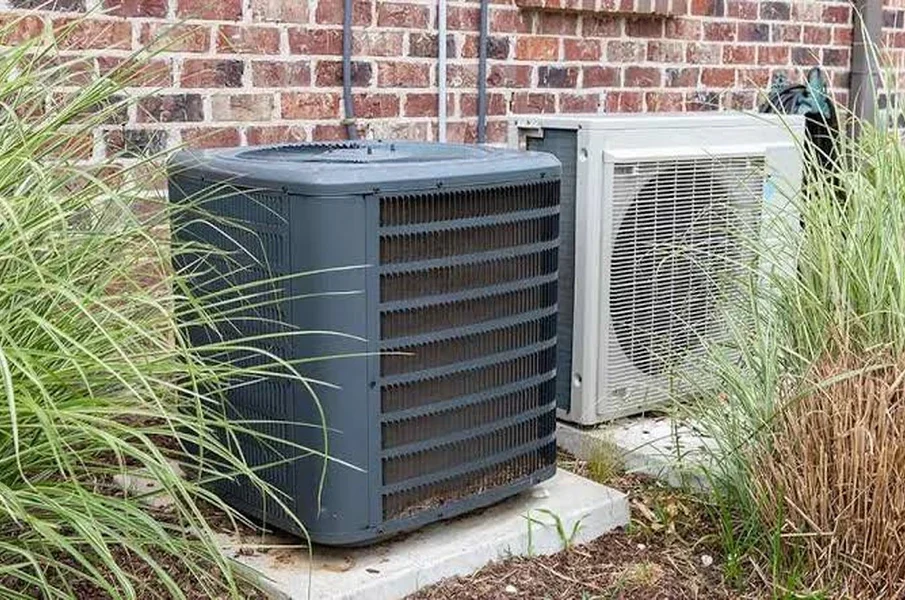
Thermostat settings are among the simplest yet most frequent sources of trouble. If the mode is set to cool instead of heat, or the fan runs continuously on “on” rather than “auto,” the system may circulate room-temperature air even while attempting to heat. A dirty or clogged air filter restricts airflow across the indoor coil, reducing heat transfer and sometimes triggering safety shutoffs. Outdoor units blocked by leaves, snow, or debris face similar airflow limitations.
Electrical issues such as a tripped circuit breaker can stop the system entirely. Low refrigerant from a slow leak prevents effective heat absorption, often resulting in ice formation or weak output. A stuck reversing valve may keep the unit locked in cooling mode even when heating is selected. Defrost cycles are normal in cold weather and temporarily produce cooler air, but prolonged or incomplete defrosting signals a control or sensor problem. Dirty coils or a failing blower motor further reduce capacity.
Practical Steps You Can Take Safely
Begin with the thermostat: confirm it is set to the correct mode, the temperature is several degrees above the current room reading, and the fan is on auto. Replace or clean the air filter if it appears dirty; most systems benefit from filter checks every one to three months during heavy use. Inspect the outdoor unit for obvious debris and clear leaves or light snow if it is safe to do so, maintaining several feet of clearance around the cabinet. Check the electrical panel for tripped breakers and reset once only. If the breaker trips again immediately, leave it off and seek professional help.
These basic actions resolve many minor issues without tools or technical knowledge. Avoid opening panels, handling refrigerant lines, or forcing ice off coils with sharp objects, as those steps risk injury or further damage.
When Professional Service Is the Better Choice
If basic checks fail to restore normal operation, or if you observe thick ice that does not clear after a defrost cycle, burning smells, repeated breaker trips, or complete lack of response, a trained technician should evaluate the system. Refrigerant handling, electrical diagnostics, reversing-valve repairs, and coil cleaning require specialized equipment and training. In regions with cold winters, dual-fuel setups that pair a heat pump with a backup furnace also benefit from expert assessment to ensure the switchover functions correctly. Regular professional maintenance twice a year-once before heating season and once before cooling season-helps catch developing problems early and keeps the system operating efficiently.
Prevention and Long-Term Care
Consistent filter changes, clear outdoor airflow, and scheduled tune-ups form the foundation of reliable performance. Keep supply and return vents unobstructed by furniture or rugs. Monitor energy bills for gradual increases that may signal declining efficiency. For older systems approaching the end of their typical service life, evaluating repair versus replacement costs with a qualified technician supports informed decisions about heat pump installation and repair in Hibbing, MN when the time comes.
Key Takeaways
Most heat pump problems begin with simple, correctable factors such as thermostat settings, dirty filters, or blocked outdoor airflow. Addressing these promptly and scheduling regular professional maintenance helps maintain efficiency and prevents larger failures. When basic checks do not resolve the issue, or when ice, unusual noises, or electrical problems appear, timely evaluation protects both comfort and equipment longevity. Consulting qualified specialists for heat pump installation and repair in Hibbing, MN ensures accurate diagnosis and lasting solutions tailored to local climate demands.

Leave a reply
-
Heat Pump Not Working Properly? Common Causes and Possible Solutions
A heat pump that stops delivering steady heating or cooling can quickly ... -
-
-