How to negotiate bulk THCA flower order pricing?
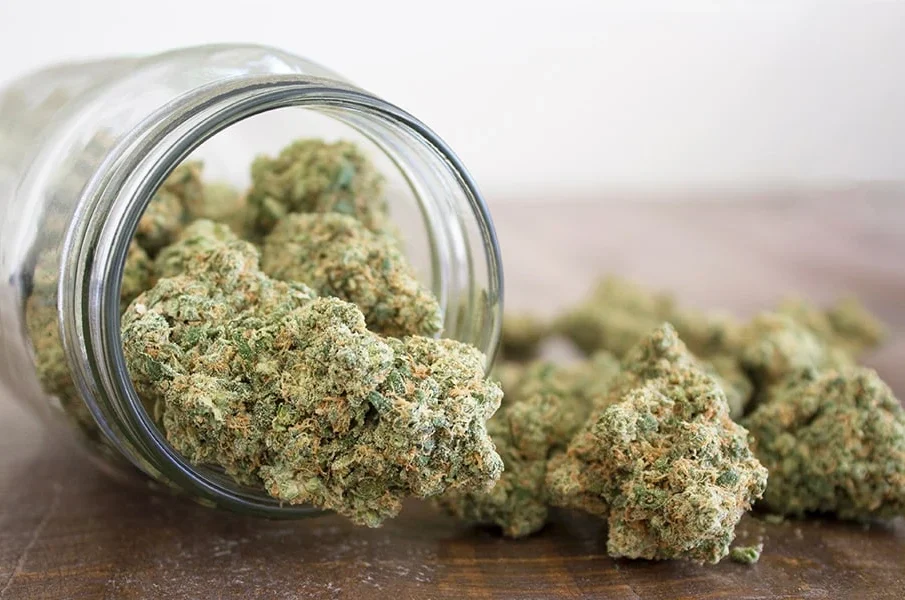
Negotiating bulk THCA flower order pricing requires preparation built on verified batch data rather than general market awareness. Buyers who enter pricing discussions without documented potency records, grade assessments, and supplier history consistently achieve weaker outcomes than those who present objective criteria at every stage. Sourcing thc flower at volume means pricing negotiation is a structured process tied to measurable batch variables rather than a conversation driven by quoted figures alone.
Potency tier pricing
Potency tier pricing negotiation uses verified laboratory results as the primary instrument for establishing where a batch sits within the supplier’s rate structure. Current certificates of analysis are presented during pricing discussions, with THCA percentage and full-panel cannabinoid breakdown referenced to support or challenge the tier placement the supplier applies to the quoted per-pound figure. Buyers who track potency figures across multiple order cycles from the same supplier enter tier discussions with comparative data that documents where variation has occurred between harvests. Batches where minor cannabinoid distribution figures are lower relative to prior harvests from the same supplier do not automatically qualify for upper-tier pricing, and documented comparison records give buyers a structured basis for negotiating rate adjustments within the same tier rather than accepting the supplier’s initial placement without challenge.
Bulk volume discounts
Bulk volume discount negotiation structures per-pound rate reductions against confirmed order quantity commitments rather than projected purchase intentions. Buyers present intended volume alongside prior order history to establish that the commitment reflects verified purchasing capacity.
- Entry volume commitments establish the minimum quantity at which discount rate discussions begin within the supplier’s pricing structure.
- Mid-volume commitments reference prior order cycles to confirm the buyer has consistently fulfilled quantities at the level being negotiated.
- Multi-harvest forward commitments are presented as a separate negotiation stage, with discount rates structured around extended volume rather than single-batch figures.
- Documentation submission timelines are confirmed alongside volume discount terms to ensure pricing adjustments are tied to verified batch delivery rather than commitment figures alone.
Grade-based adjustments
Grade-based adjustment negotiation applies documented physical assessment findings directly to the quoted per-pound figure. Trim consistency records, moisture content measurements, and leaf-to-flower ratio data from current and prior batch assessments are presented to support pricing adjustments where physical grade falls below the specification confirmed at the time of the original quote. Suppliers who present upper-tier pricing for batches with documented trim inconsistencies or moisture variance outside agreed thresholds are challenged through written grade assessment records. Buyers who maintain detailed physical grade files across multiple order cycles enter grade adjustment discussions with comparative data that ties pricing outcomes to verified batch condition rather than supplier-presented figures. Verbal grade objections without supporting documentation carry significantly less negotiating weight than written assessment records referenced at each pricing stage.
Multi-harvest agreements
Multi-harvest agreement negotiation applies the supplier’s documented consistency record across consecutive harvests as a forward pricing reference. Buyers who demonstrate through documented order history that a supplier has maintained stable potency, consistent physical grade, and reliable delivery across multiple cycles hold a stronger negotiation position for extended supply agreements than those entering discussions without performance records to support their position.
Consistency records presented during multi-harvest negotiations cover potency variance across sequential batches, physical grade stability, batch rejection rates, and delivery timeline adherence. Suppliers whose records show wide variation across these criteria are not offered the same forward commitment pricing as those with verified consistency. Buyers who apply this distinction systematically build procurement frameworks where extended agreement pricing reflects documented supplier performance rather than assumed reliability projected across future harvest cycles.

Leave a reply
-
Pythiosis In Dogs: Planning Treatment For An Infection That Can Be Difficult To Control
You may have gone in expecting a skin problem, a stomach issue, ... -
-
-